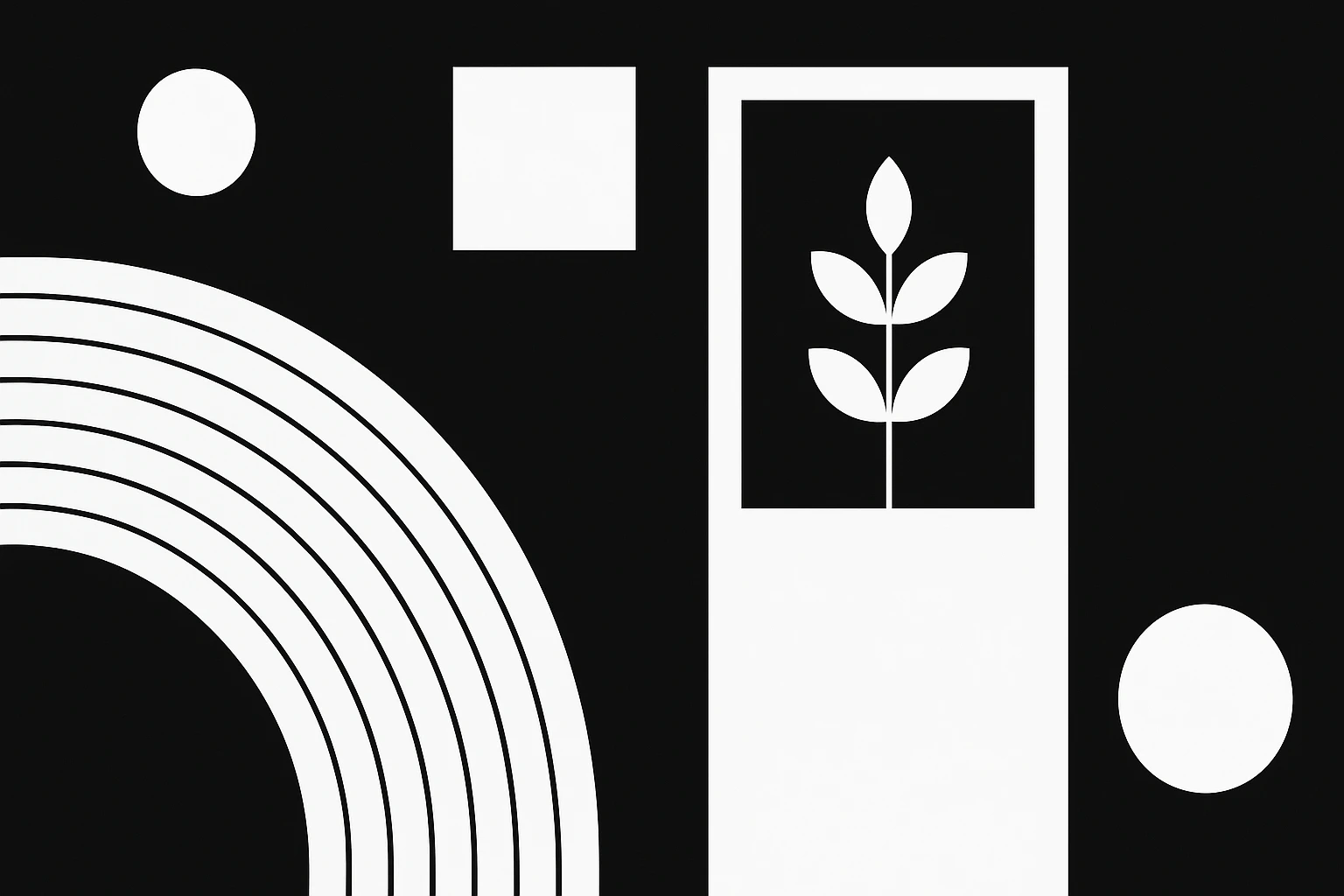
Monochromatic Magic: The Beauty of Single-Hue Design
by ColorSift Editorial Team
Introduction
Welcome to the colorful, yet elegantly simple world of monochromatic design. Ever wondered how designers make magic with a single hue? Using varying shades, tints, and tones, these artists create captivating aesthetics filled with harmony and depth. Let's uncover how this trend fosters creativity, allowing designers to focus deeply on texture, patterns, and shapes.
Understanding Monochromatic Color Schemes
So, what exactly are monochromatic color schemes? They're all about focusing on a single base hue. From primary colors like red, blue, and yellow, to secondary and tertiary ones, the possibilities are endless. Adding more depth, designers play with tints (a hue plus white), tones (a hue plus gray), and shades (a hue plus black) to create sophisticated designs.
The Psychological Impact of Monochromatic Designs
Did you know colors can sway your mood and perceptions? Take tranquil blues, for instance. They're perfect for creating calming spaces. On the flip, vibrant reds ignite energy in a room. Monochrome palettes can also sharply define a brand's identity, crafting memorable logos that stick in the mind. Curious about how a single hue could capture a brand's essence?
Creating Depth and Interest with Texture
Textures are a monochromatic palette's best friend. From wood and metal to fabric, different materials add contrast and richness. Imagine a room where a sleek, matte wall pairs with a lustrous metallic sculpture. Sounds intriguing, right? Careful layering of textures adds interest without overwhelming; think of it as playing jazz with materials.
Monochromatic in Different Design Fields
Monochrome finds its groove in various fields.
- Interior Design: Picture a room bathed in soft grays, creating a tranquil retreat.
- Graphic Design: A single-hue scheme can enhance visual storytelling, making layouts pop.
- Fashion: Ever seen an all-black outfit? It’s minimalist yet profoundly chic.
That's the magic of monochrome.
Showcasing Color Palettes: From Pastel to Bold
Let’s talk about choosing the right palette. Whether you're drawn to soft pastels or rich, bold hues, there's a monochromatic scheme for every project. Tools like Adobe Color CC or Coolors can be your guides. Ready to assemble your own color masterpiece?
Common Mistakes and How to Avoid Them
Watch out for these pitfalls. Overusing a single shade can make things flat. Lighting plays a huge role in color perception, so always keep it in mind. Balance is key; mix and match without making your design monotonous. When done right, these palettes enchant.
Future Trends in Monochromatic Design
What’s next for monochromatic design?
- Sustainability: Eco-friendly design loves monochrome for its simplicity.
- Technology: Think smart homes with dynamic color adjustments.
- Trends: Watch out for earthy greens and dynamic blues leading the charge.
Conclusion
Monochromatic design is a dance of creativity and sophistication. Leveraging a single hue, designers create spaces and visuals that are cohesive and impactful. This trend will only grow and evolve, offering endless opportunities for exploration. Why not try a monochromatic approach for your next design project?