Exploring Pastel Palettes: Soft Colors for Subtle Elegance
by ColorSift Editorial Team
Introduction
In a world painted with bold strokes of color, pastel hues offer a serene alternative. These soft shades whisper elegance and subtlety, transforming spaces and designs with their gentle allure. As we explore pastel palettes, you’ll discover how they can infuse projects with sophistication and calm. Whether you’re crafting a brand’s identity or styling a room, pastels can open the door to a tranquil aesthetic.
Understanding Pastel Colors
Pastel colors are known for their light and airy feel. They are soft, muted versions of standard colors, often created by adding white to primary and secondary tones. Historically, pastels have graced the canvases of renowned artists like Degas and Monet, breathing life into their impressions of the world.
Psychologically, pastels soothe the mind. They evoke feelings of peace and relaxation, making them ideal for creating spaces that invite calm and comfort. When was the last time a color made you feel at ease?
The Trend: Why Pastels Are Making a Comeback
Pastels are enjoying a renaissance across design fields. From branding to interiors, these hues appeal to those seeking minimalist beauty. Brands like Glossier use pastel palettes to embody a fresh, youthful vibe while maintaining elegance. Pastels align effortlessly with the clean lines of modern design without overpowering one's senses.
Techniques for Blending Pastel Shades
Blending pastels requires understanding color relationships. Complementary colors work beautifully to maintain harmony. For seamless transitions, use analogous shades that neighbor each other on the color wheel. Remember, balance is key.
Here’s a playful exercise: try blending a soft pink with a muted teal. How does that combination make you feel?
Showcasing Color Schemes: Examples of Pastel Palettes
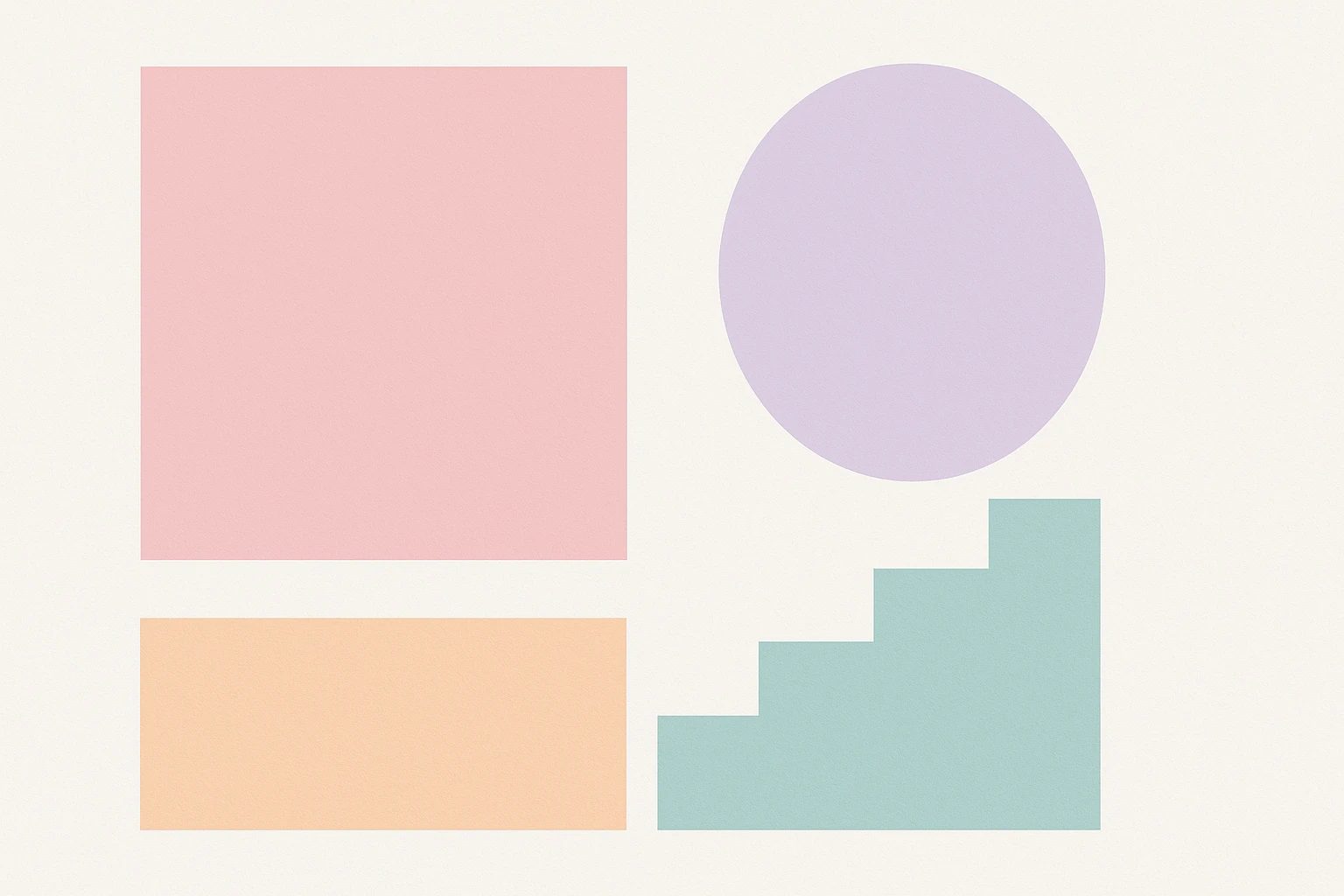
Below are curated palettes to inspire your next design project.
These combinations pave the way for tranquil and inspiring designs. Think of how they could be used in a cozy cafe or a vibrant art poster.
Applying Pastel Colors in Different Design Disciplines
Interior Design: Calming Spaces
In interiors, pastels create serene settings. Imagine a living room painted in soft lavender—inviting and restful. Add pastel throws and cushions to amplify the effect.
Graphic Design: Soft Yet Impactful
Pastels work wonders for brands seeking gentleness. They create marketing materials that are approachable yet professional. Logos in pastel hues can stand out while embodying sophistication.
Digital Art: Illustrating with a Gentle Touch
Digital artists use pastels to evoke tenderness in illustrations. By balancing lighter shades, they achieve depth without stark contrasts.
DIY Projects: Implementing Pastel Colors at Home
How about some DIY fun? Consider painting terracotta pots with pastels, or creating wall art with soft pastels on canvas. Here’s a simple step-by-step: select your colors, prepare your surface, and let your creativity flow.
Look for pastel paints and materials in local craft stores or online marketplaces.
Final Tips for Mastering Pastel Designs
Avoid overcrowding with different pastels. Choose a limited palette to maintain cohesion. Regularly refresh your approach to keep designs lively and engaging. Explore different combinations until your personal style shines.
Conclusion
Pastel colors champion the beauty of subtlety, transforming any project into a haven of elegance. By mastering pastel blending techniques and understanding their applications, you can create inviting, serene designs that stand out in a noisy world. Now's the time to dive in and embrace these soft hues in your creative endeavors.