Embracing Bold Colors: How to Use Vibrant Hues in Your Designs
by ColorSift Editorial Team
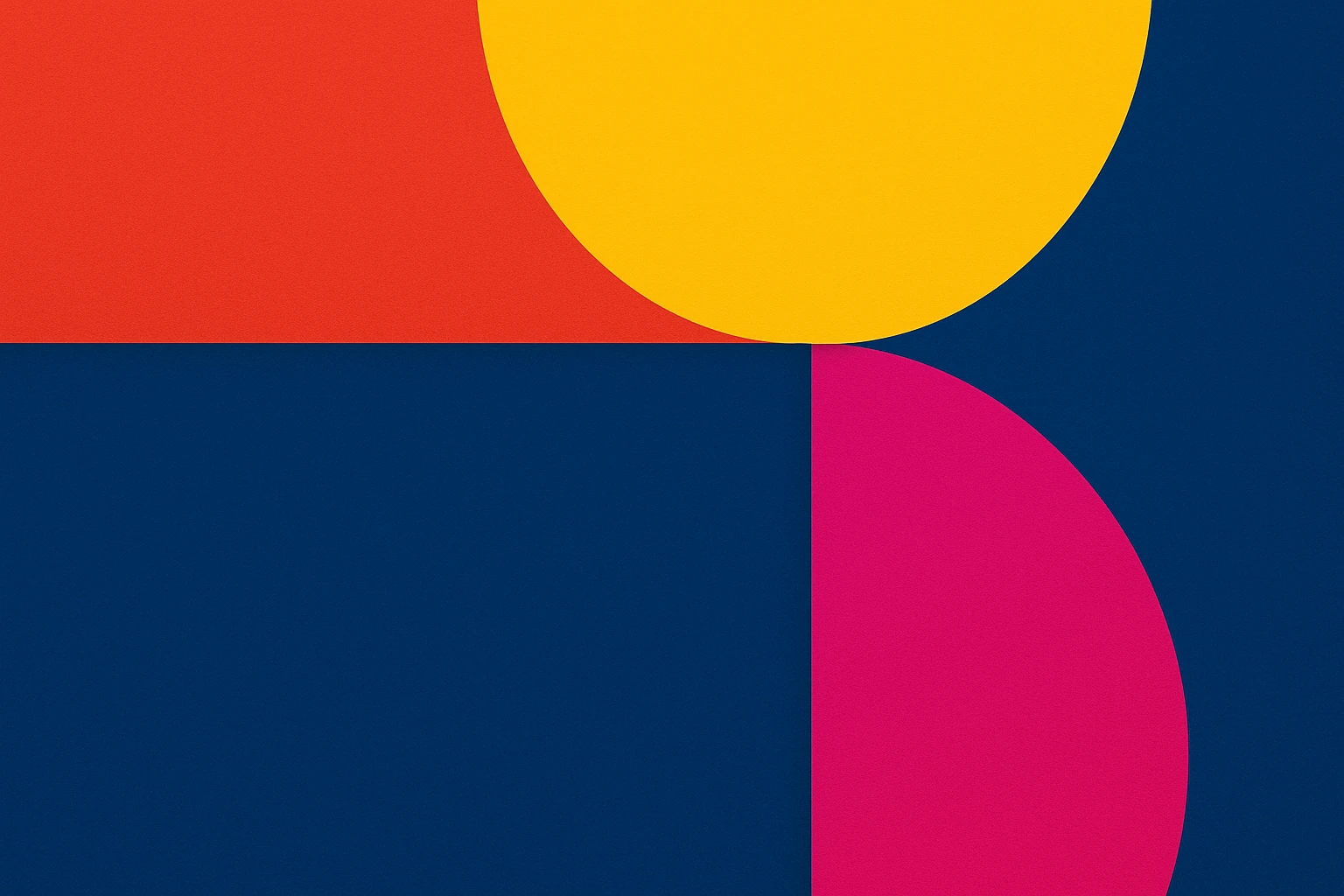
In today's fast-paced visual landscape, the use of bold colors can make all the difference in crafting striking designs. This blog post delves into the impact of vibrant hues, offering insights and techniques for effectively incorporating them into your projects. Understanding color psychology, balancing intensity and harmony—this guide is for designers ready to elevate their work with enthusiasm and flair.
The Power of Bold Colors
Bold colors aren't just eye-catching; they evoke emotions and create lasting impressions. A splash of red can ignite passion, while a cool blue might calm the senses. Successful designs leverage these emotional impacts to make their mark. Take the electric vibes of a Sprite ad or the fiery tones of an Apple product launch. These aren’t random choices—they speak to our psyche.
Designers like you need to understand the basics of color psychology. Consider how warm tones can evoke excitement and energy, while cooler colors offer tranquility and reliability. Aligning color choice with your message is key.
Choosing the Right Palette: Techniques and Tools
Selecting vibrant color schemes doesn't have to be daunting. There are a few popular ones to consider:
- Complementary Colors: Opposite on the color wheel, these pairings pack a punch.
- Analogous Colors: Smooth transitions create harmony, often used in gradient effects.
Online tools like Adobe Color and Coolors offer fantastic resources for visualization.
Feeling adventurous? Create your own palette by experimenting with various shades and tones until you find the perfect combination that speaks to your design’s needs.
Balancing Intensity with Neutral Tones
Now, you might wonder how to keep bold colors from overwhelming your design. Here’s the secret—neutral tones. They act like a gentle whisper amidst the bold chatter, offering balance and sophistication. A stark white backdrop can amplify boldness, while soothing greys and beiges temper it.
Look to projects like Google’s material design, where bold colors meet sleek neutrals, forming a seamless blend that’s both dynamic and approachable.
Mixing and Matching: Textures and Patterns
Textures and patterns aren’t just visual details—they offer depth. Imagine a vibrant poster with a splash of glossy red interplaying with matte textures. It’s like adding a cherry on top of a sundae—which, frankly, makes everything better.
Combining patterns with bold colors demands a keen eye. Patterned textiles or background images can transform a flat design into something special. Try pairing polka dots with a bold orange for a playful twist or stripes with electric blues for a modern edge.
The Impact of Bold Colors in Branding
Brands like Coca-Cola or Spotify know the power of bold colors. They choose specific tones to evoke emotions that align with their identity. Consistency is crucial—for the brand's message, colors must remain constant across all mediums.
Think of colors as an extension of your branding strategy. They’re not just visual elements; they encapsulate the essence of what your brand stands for.
Real-World Applications: Design Projects Featuring Bold Colors
Let’s look at some real-world applications. Websites like Airbnb use bold, warm colors to draw attention and communicate warmth and hospitality. Print media often find bold colors in magazine covers to make headlines pop.
Mixed-media installations often push boundaries, combining vivid palettes with unconventional materials. Looking to bring these elements to life in your projects? Start by considering the emotions you want to evoke.
Conclusion
Embracing bold colors sets designs apart, crafting memorable visual experiences. By understanding the psychology behind colors, mastering palette selection, balancing intensity with neutrals, and learning from successful examples, you can confidently incorporate vibrant hues into your projects. Begin your colorful journey today to transform designs and captivate audiences.