Color Wheel Magic: Mastering Color Selection for Design Projects
by ColorSift Editorial Team
Navigating the color wheel is crucial for any designer aiming to craft captivating and harmonious designs. This post unravels the essentials of color theory, diving into complementary, analogous, and triadic colors. With practical tips and vibrant examples, you'll master the magic of color selection.
Understanding the Color Wheel
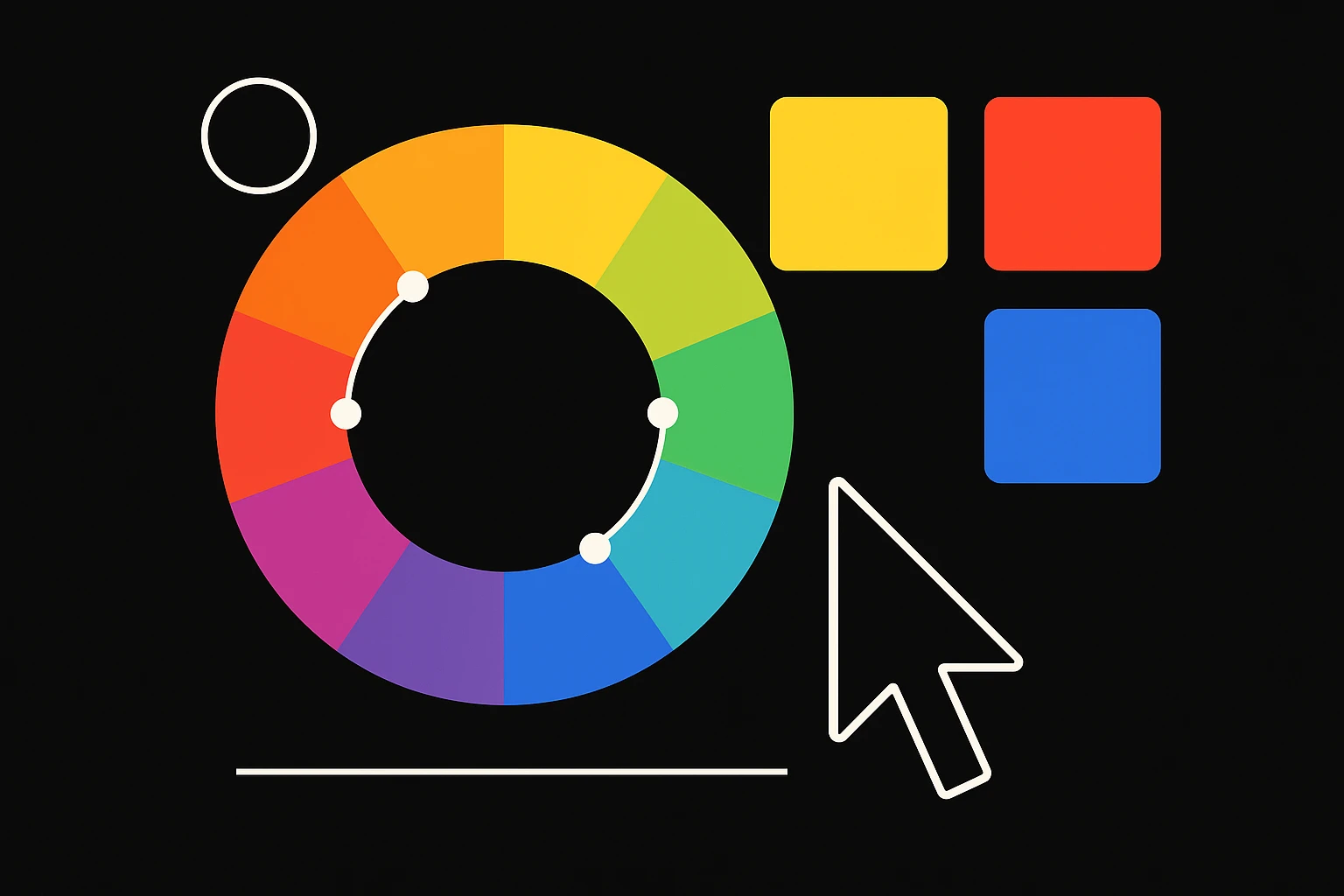
The color wheel: an essential tool in a designer’s kit. It’s like a compass, guiding you through the colorful journey of design. At its core, you'll find primary colors — red, blue, and yellow. Mix these, and you unlock secondary colors like green, orange, and purple. Go a step further, and you create tertiary colors by blending primary and secondary hues.
This wheel isn’t just about pretty colors; it's about finding harmony. Imagine creating a piece where colors sing together instead of clashing. That’s where the color wheel’s magic lies — aiding designers in achieving balance and unity.
Complementary Colors: Enhancing Contrast and Balance
What's a dynamic duo in the design world? Complementary colors! They live opposite each other on the color wheel and create eye-catching designs that pop. Think of blue and orange or red and green. These pairs are perfect for adding contrast without chaos.
Use them in branding to make logos memorable. In advertising, they grab attention. On websites, they guide the user’s eye. But remember, balance the intensity to keep your designs looking polished.
Analogous Colors: Creating Cohesive Combos
Like the sound of a smooth jazz trio, analogous colors sit side by side on the wheel. They create a calm, cohesive look — perfect for when you want harmony without monotony.
Choose neighboring colors, like variations of green, blue, and teal. These schemes thrive in nature, inspiring serene designs. Just look at a forest or a sunset. Art and interior design frequently harness this subtle beauty to captivate and relax.
Triadic Colors: Bold and Vibrant Compositions
Ready to make a statement? Triadic color schemes are your go-to. These involve three colors evenly spaced around the wheel, like red, yellow, and blue. They’re bold, energetic, and vibrant.
The key here is balance. Let one color dominate while the others play supporting roles. Triadic schemes should dazzle, not overwhelm, so let your design breathe.
Color Schemes in Practice: Tools and Resources
Need a hand creating your palette? Digital tools like Adobe Color and Coolors could be your new best friends. They make exploring and selecting schemes intuitive and fun.
Check out case studies of brands that nail their color schemes. See how they communicate values and evoke emotions. Experiment, explore, and develop a knack for what feels right in your projects.
Color Psychology: The Emotional Impact of Colors
Colors speak louder than words sometimes. Each shade whispers a different feeling or reaction. Red can energize, blue soothes, and yellow spreads happiness.
Incorporate this into your designs to connect emotionally with viewers. Thoughtfully chosen colors create deeper stories and connections.
Tips for Mastering Color Selection
- Avoid Common Pitfalls: Overuse of bright colors can be overwhelming. Stick to the rule of thirds.
- Test Your Combos: Experiment with designs in grayscale to check contrast.
- Continuous Learning: Follow artists who inspire you, or delve into color theory books.
Mastering the color wheel is a vital skill. Understanding complementary, analogous, and triadic colors enriches your designs and creates stunning visuals. Embrace this magic and watch your projects thrive!