Color Theory Essentials: Understanding the Wheel and Its Applications
by ColorSift Editorial Team
Introduction
Welcome to the vibrant world of color theory! Unlocking the secrets of the color wheel can elevate your design projects to new heights. Whether you're a graphic designer, an artist, or a hobbyist with an eye for aesthetics, understanding primary, secondary, and tertiary colors will revolutionize your approach.
The Basics of Color Theory
Color theory isn't some niche subject only for designers. It’s a cornerstone of visual arts! At its core, color theory is about the science and art of using color. Imagine knowing exactly why certain colors look great together—hint: it’s not just luck.
The concept dates back centuries, evolving from basic artistic practices into a scientific study during the Renaissance. Key ideas like hue (the specific shade of a color), saturation (intensity), and brightness (lightness) are fundamental. These allow us to understand not just what colors we see but why we see them how we do.
Understanding the Color Wheel
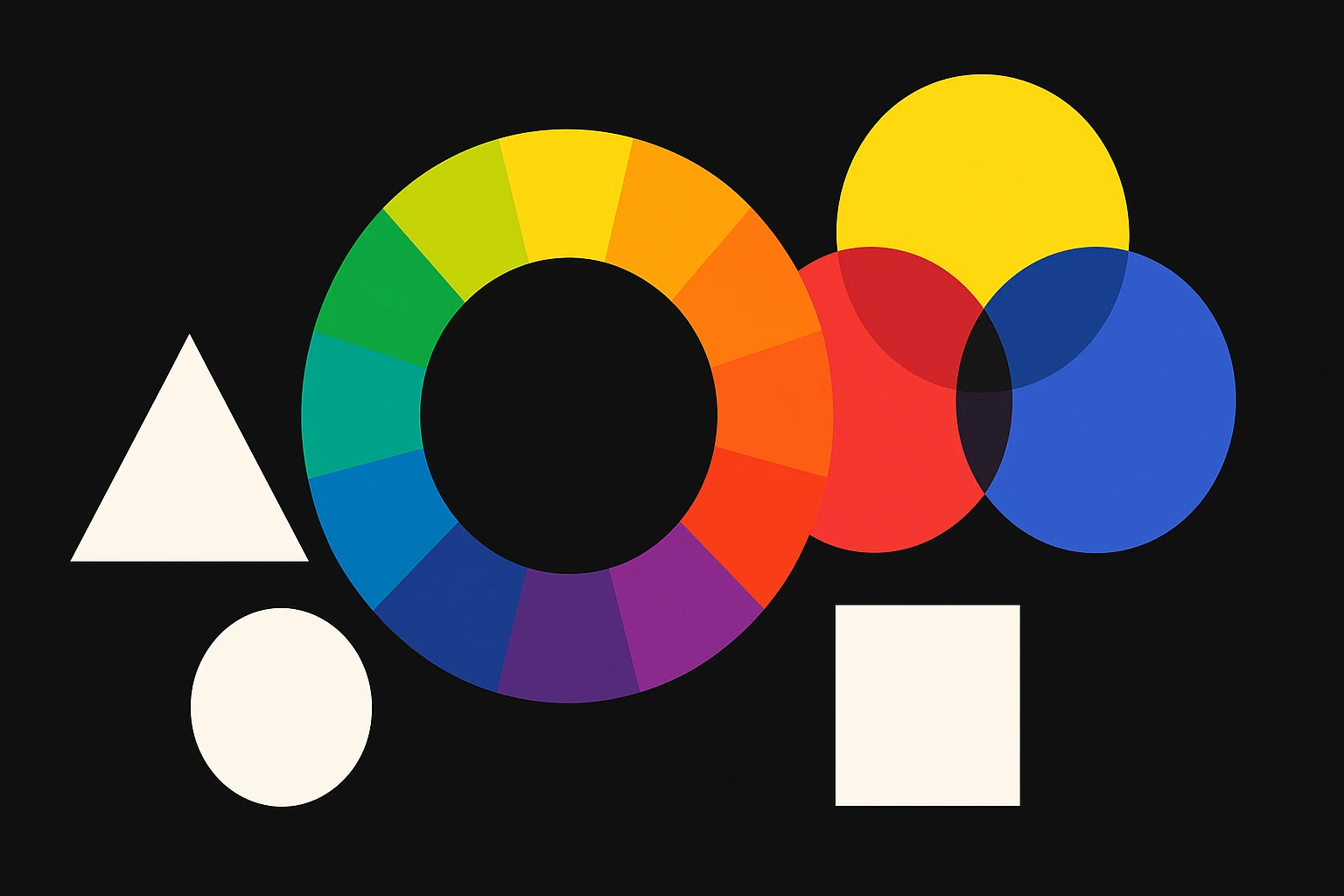
What’s the magic behind the color wheel? Picture an organized rainbow where colors naturally blend from one to another. This wheel introduces us to primary colors: blue, red, and yellow. They’re the originals—the colors you can’t create by mixing others.
Mix any two primary colors, and voila! You get secondary colors. Blue and yellow make green, red and yellow create orange, blue and red form purple. Tertiary colors are born when primary and secondary colors meet—offering even more variety.
Color Harmony and Schemes
Let’s talk harmony. In color theory, harmony refers to visually pleasing arrangements of colors. It feels right, like a melody for your eyes. Color schemes are specific combinations designed to create this sense of balance.
- Complementary: Opposite on the color wheel, like red and green. They’re vibrant.
- Analogous: Neighbors on the wheel, such as blue and green, subtly pleasing your gaze.
- Triadic: Evenly spaced around the wheel—think red, yellow, and blue—all striking.
- Monochromatic: Various shades of a single color—simple, yet effective.
Psychological Effects of Colors
Colors are powerful storytellers. Have you ever felt calm in a blue room or energized by red? It’s not random. Colors influence our emotions and behaviors. Understanding these effects helps convey desired messages in designs.
Cultural nuances matter too. Red might symbolize luck in China but caution in the West. When choosing colors, reflect on your audience's cultural perceptions and emotional responses.
Practical Applications of Color Theory
Web designers and graphic artists regularly wield color theory. Think about Apple's clean aesthetics or Google's playful logo—they didn't happen by accident.
Tools like Adobe Color and Paletton offer palettes to experiment with. Knowing which shades to use can make or break a design project.
Trends in Color Theory
Colors evolve much like fashion trends. Today, the digital world even allows us to develop colors that change in different contexts—sounds sci-fi, right?
Expectations for design are always shifting. Keep an eye on how technology impacts color choices. The future certainly promises new horizons.
Tips for Creating Your Own Color Palettes
Personalizing palettes brings your vision to life. Start simple—pair colors you naturally gravitate toward. Mood boards are great tools for organizing thoughts.
Explore resources like Coolors and Adobe's Creative Cloud Libraries to refine your palettes and test different combinations.
Wrapping Up
Grasping color theory and the intricacies of the color wheel is crucial for designers wanting to leave a lasting impact. By mastering these concepts, your designs will not only resonate more deeply but also captivate and engage your audience, one harmonious palette at a time.