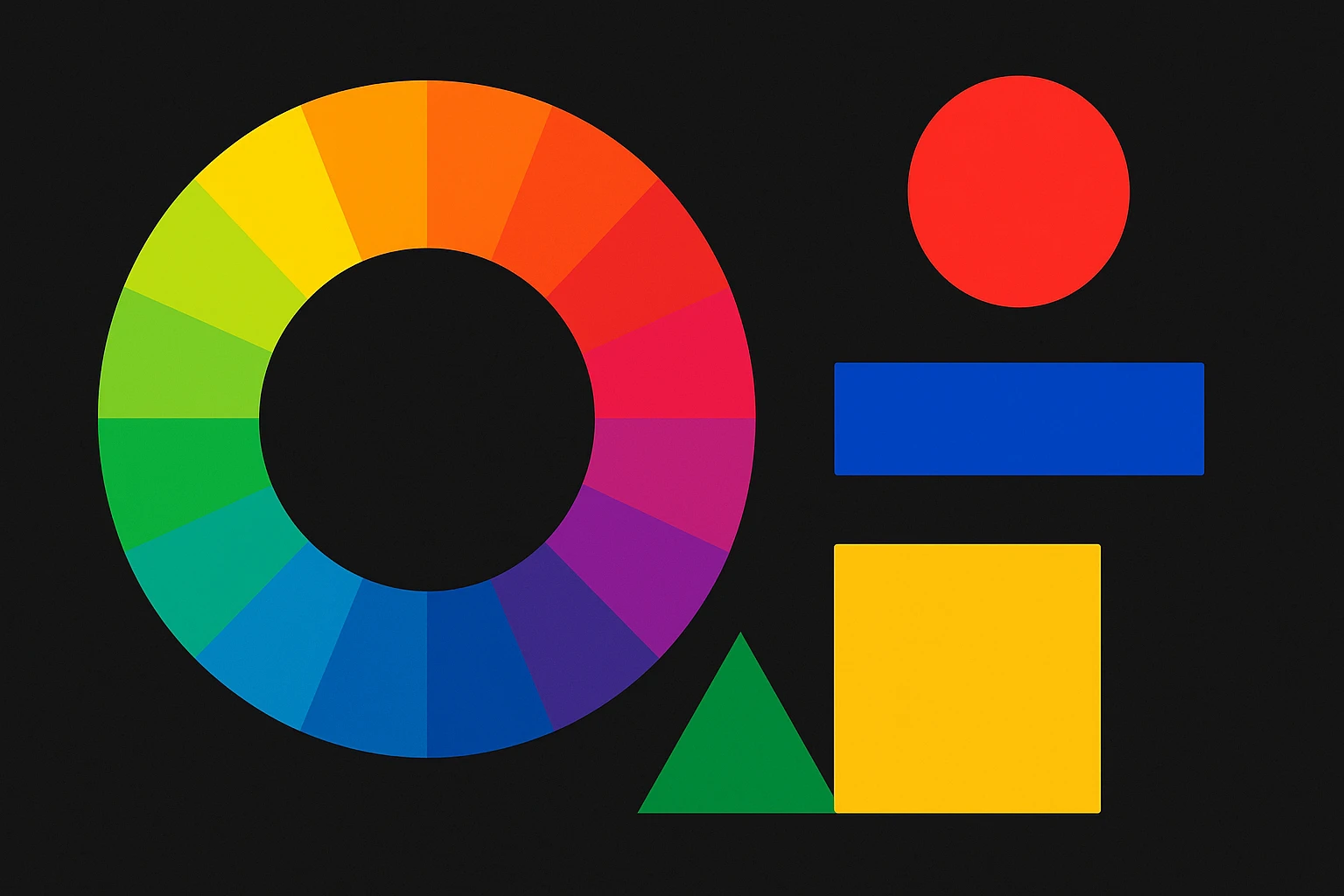
The Vibrant Spectrum of Color in Minimalist Design: Harnessing Hues for Impact
by ColorSift Editorial Team
Introduction
In a world dominated by maximum distractions, minimalist design emerges as a breath of fresh air. By stripping away the unnecessary, it focuses on the essential, providing clarity and purpose. But even within the framework of minimalism, color plays a pivotal role. This blog explores how a limited color palette, carefully curated with vibrant hues, can enhance minimalist designs, making visuals both striking and simple.
Understanding Minimalism in Design
Minimalism in design embraces the "less is more" philosophy, concentrating on simplicity and functionality. It's about creating a sense of calm and order by eliminating needless clutter. By focusing on the essentials, minimalist design offers a clear communication path, guiding the viewer's eye to what's truly important.
The Power of Color in Minimalism
Colors are more than just visual stimuli; they're emotional triggers. Imagine a minimalist room painted entirely white. Now, add a splash of red to a single, well-placed cushion. That pop of color can transform the space and direct focus immediately.
Colors in minimalist design influence mood and perception dramatically. They can evoke feelings of joy, serenity, or even urgency.
Choosing a Limited Color Palette
When you think about colors, you might imagine a rainbow of choices, but minimalist design requires restraint. A select few colors can have more impact than a myriad. Here's why:
- A limited palette simplifies choices, reducing visual noise.
- It allows individual colors to stand out more, amplifying their emotional impact.
Choosing complementary colors is crucial. They should work in harmony without competing for attention.
Incorporating Vibrant Hues
Here's the thing about vibrant colors: they stand out like a lighthouse in the fog. Used sparingly within a minimalist framework, they draw attention where it matters most. Take a look at any successful minimalist design with vibrant accents. The secret lies in strategically placing bold colors to guide the user subtly.
Strategies for Success
- Pick one or two vibrant accents.
- Use them consistently across your design.
- Balance vibrancy with neutrality.
Color Schemes and Palettes: Inspiration and Application
Need inspiration? Consider popular color schemes like these:
Tools like Adobe Color and Coolors can help you craft your own unique palettes, customized to your specific design needs. Experiment and play, but remember simplicity is key.
Real-World Applications: Case Studies
Web Design
Minimalist websites often rely on rich typography and a few striking colors. Apple's website uses clean lines and limited hues to spotlight its products.
Print Design
In print, minimalist design often means more white space and less clutter. Colors become the focus, prompting the viewer's eye and simplifying decision-making.
Interiors
In homes, vibrant accent walls or strategic pops of color through furniture can enhance a minimalist aesthetic. Less clutter means the colors you use become focal points.
Practical Tips for Designers
- Start by defining your design purpose.
- Choose two primary colors and one accent color.
- Test your color selections in real scenarios, adjusting as necessary.
Common mistakes include overloading the design with color or choosing them without assessing the emotional response they provoke. Testing and feedback are crucial.
Conclusion
In minimalist design, color isn't merely an afterthought; it elevates simplicity into something extraordinary. By thoughtfully selecting vibrant hues and applying them within a limited palette, designers create visuals that speak volumes with subtlety. Achieving harmony between minimalism and vibrancy is not just possible but essential for creating memorable, impactful designs. Happy designing!