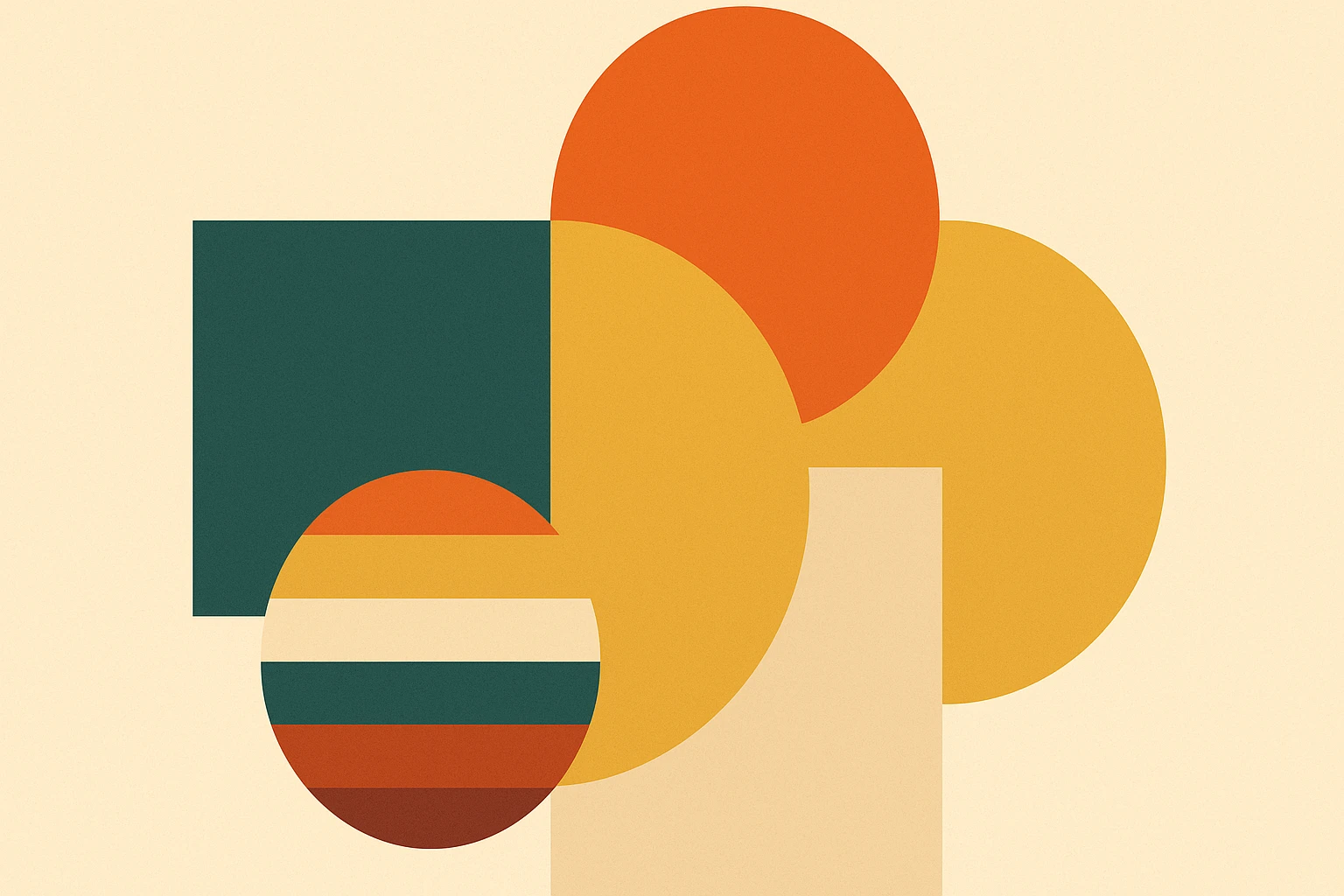
The Revival of Retro Colors: Nostalgia in Modern Design
by ColorSift Editorial Team
Introduction
In the fast-paced world of design, trends come and go, yet some linger longer, evoking a sense of nostalgia that intertwines comfortably with contemporary aesthetics. Recently, a revival of retro color schemes has emerged as designers seek inspiration from the vibrant hues of yesteryears. This blog post explores the reasons behind this resurgence, showcases different retro color palettes, and discusses how these shades can be integrated into modern design to create stunning visual landscapes that resonate with multiple generations.
The Historical Context of Retro Colors
To understand why retro colors are making a comeback, let's take a trip down memory lane. The 1950s, 70s, and 80s were not just about specific styles but about the emotions and societal shifts they represented.
In the 1950s, post-war optimism was reflected in the popularity of soft pastels. Think mint green, baby pink, and butter yellow. These colors were more than just hues—they were a sigh of relief, a breath of fresh air after turbulent times.
Moving into the 1970s, boldness took the stage. Avocado green, burnt orange, and mustard yellow defined an era focused on freedom and self-expression. The 70s were nothing if not daring, and the colors told the story.
The 1980s introduced a whole new level of intensity with electric colors. Neon pink, bright blue, and vibrant purple embodied a culture embracing new technology and grandiosity.
Why Retro Colors Are Resurfacing
But why are these nostalgic colors, once relics of the past, resurfacing today? Cultural nostalgia plays a huge part. As generations grow up, there's a longing for simpler times—a natural response to today's fast-paced lifestyle.
Social media has also played a major role. Platforms like Instagram have brought vintage aesthetics to the forefront, making retro cool again. It's an amalgamation of vintage and modern trends—like pairing grandma's vintage blouse with your sleek new jeans.
Popular Retro Color Palettes
Let's dive into some vibrant palettes that have made a successful comeback.
The soft pastels of the 50s have charmed their way into modern design, offering a soothing and welcoming feel. Think of a cozy kitchen with mint green cabinets or a stylish boutique with baby pink decor.
The bold hues of the 70s are back in action, adding character and warmth. You might find them in a hip restaurant where avocado green walls make for an inviting atmosphere.
And who could resist the electric colors of the 80s? They're making a splash in modern branding and digital design, catching the eye and keeping things exciting.
Integrating Retro Colors in Modern Design
Bringing retro colors into contemporary spaces might seem daunting, but done right, it can transform mundane into marvelous.
Here’s the thing: Start small. A splash of burnt orange in a neutral room can offer just the right amount of retro flair without overwhelming.
Mixing retro palettes with minimalist architecture is another great approach. Imagine a sleek minimalistic living room brought to life with mustard yellow accents. The balance between old and new is where the magic happens.
The Future of Retro Colors in Design
So, where do we go from here? Retro hues have likely set the stage for evolving trends. Nostalgia will continue to influence design, ensuring that the timeless elegance of these colors remains relevant.
Looking forward, imagine the integration of retro colors in technology, fashion, and branding—each sector reinventing nostalgia with a modern twist.
Color Theory and Nostalgia: The Science Behind It
Colors don’t just look good; they make us feel. They evoke emotions and memories, tapping into our deep-set human psyche. Research shows that color perception can significantly influence our mood and decision-making.
By integrating color theory into design choices, designers craft environments that not only appear beautiful but also evoke comfort and familiarity. Imagine stepping into a space where the walls whisper memories of the past—all through the simple use of color.
Wrapping Up
As we navigate a design landscape increasingly informed by our past, the revival of retro colors reminds us of the timeless qualities within timeless styles. By incorporating these nostalgic palettes into modern creations, designers evoke a sense of familiarity and warmth, bridging generational gaps in a fast-evolving world. Whether it’s through interiors, branding, or fashion design, retro colors offer a canvas for creative expression that honors the aesthetics of yesteryears while remaining relevant today.