The Psychology of Color: Harnessing Hues to Transform Design Choices
by ColorSift Editorial Team
The Basics of Color Psychology
Imagine walking into a room painted vividly in red. Does it feel invigorating or overwhelming? Color psychology explores how colors impact our emotions and perceptions. It's fascinating how humans have attributed symbolism to colors across centuries. In ancient Egypt, green was sacred, symbolizing fertility. In contrast, Russian cultures consider blue calming yet mysterious.
The science supporting these perceptions lies in biology and culture. Our brains interpret colors, triggering emotional responses. Knowing this, designers can align visual elements to create desired moods.
Understanding the Emotions Associated with Colors
Red: The Fireball of Passion
Red signifies energy and urgency. Think of a bold stop sign or a sale banner. It grabs your attention and demands action.
Blue: The Ocean of Trust
Blue is synonymous with trust and serenity. Large corporations like IBM and Facebook employ blue to communicate reliability.
Green: The Fresher of Harmony
When you see green, think of lush landscapes. Green indicates growth and harmony, often used by eco-friendly brands.
Yellow: The Beacon of Optimism
Bright and cheerful, yellow represents happiness. Yet, use it sparingly—it can also signal caution. Brands targeting children often integrate yellow for its playful appeal.
Purple: The Royal Artist
Purple invokes creativity and luxury. Historically associated with royalty, it's ideal for brands wanting a touch of elegance.
Black and White: The Elegant Couple
Black signifies sophistication. White, simplicity. Together, they create timeless classics seen in anything from Chanel to Apple.
Applying Color Psychology in Design Choices
Selecting colors is more than aesthetics. It's a strategic decision.
- Branding and Logos: Use colors reflecting your brand's personality. Red might excite, while blue could assure trust.
- Focal Points: In design, lead viewers' eyes to significant areas using contrasting colors.
- UI/UX Design: Choose colors enhancing user experience. Different hues affect navigation comfort.
- Marketing Impact: Colors in advertising campaigns sway perception and stimulate purchases.
Creating Effective Color Palettes
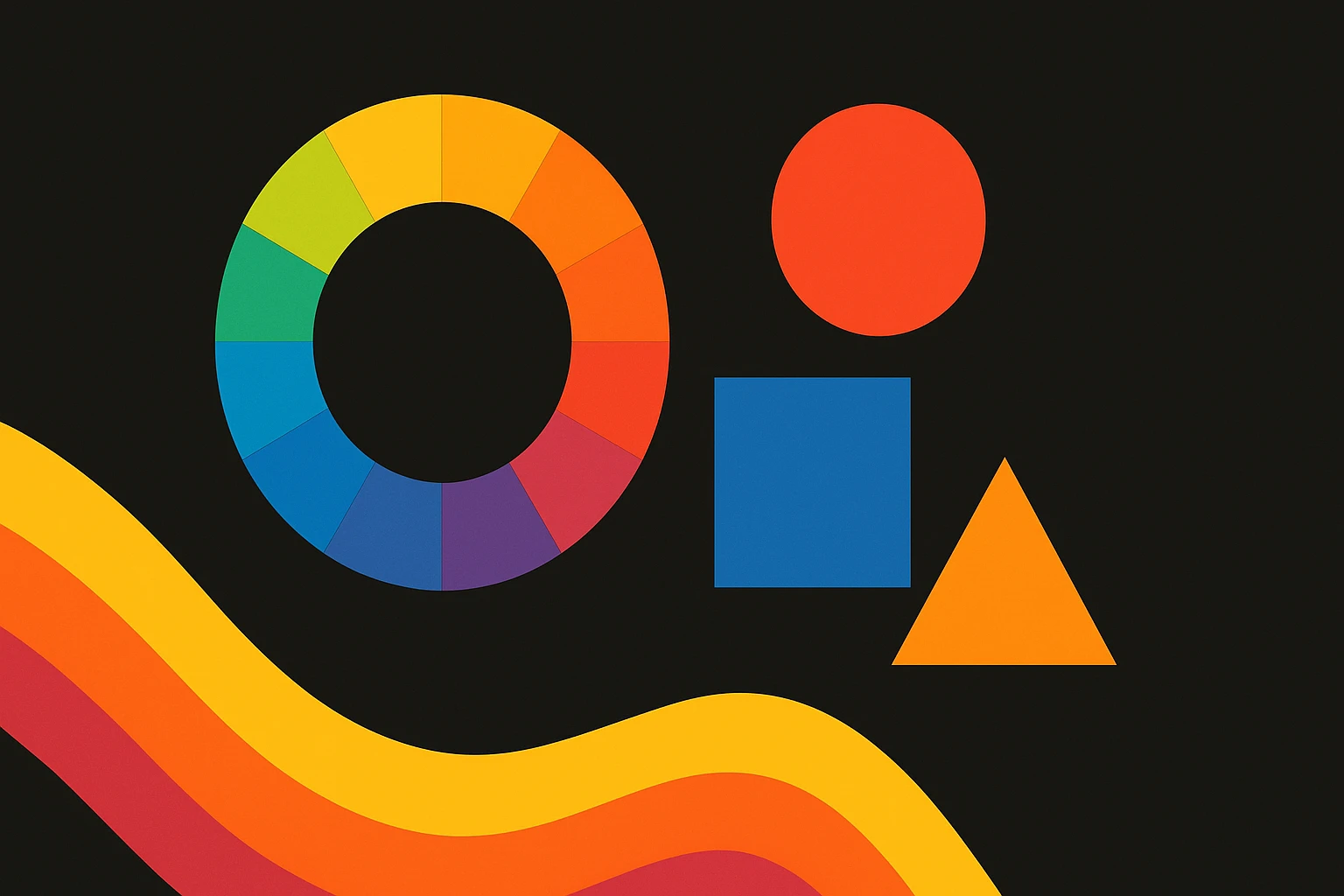
An effective design starts with a perfect palette. Benefiting from color theory basics, such as complementary (opposites on the color wheel), analogous (neighbors on the wheel), or triadic (evenly spaced colors), enhances visual balance.
Tools for the Job:
Consider how successful brands like Ikea use blue and yellow for visibility and comfort.
Cultural Considerations in Color Usage
Colors dance differently across cultures. In Japan, white symbolizes purity, but in India, it's linked to mourning.
- Global Shifts: Designing for diverse markets requires sensitive adaptation to color meanings.
- Notable Brands: Coca-Cola maintains red worldwide, yet adjusts marketing tactics to local nuances.
Showcase: Color Palettes Evoking Specific Emotions
Visualizing color palettes provides insight into their emotional effects.
- Energetic Combo: Use red and yellow for urgency and optimism.
- Comfort Combo: Try blue and green for a fresh, calming ambience.
Embrace tools that let you craft personal palettes with intuitive emotion-based selections.
Conclusion
Grasping color psychology is invaluable. By understanding hues' emotional power, you create designs that captivate and connect. So, when you're next designing, ask yourself: what emotions am I painting here?