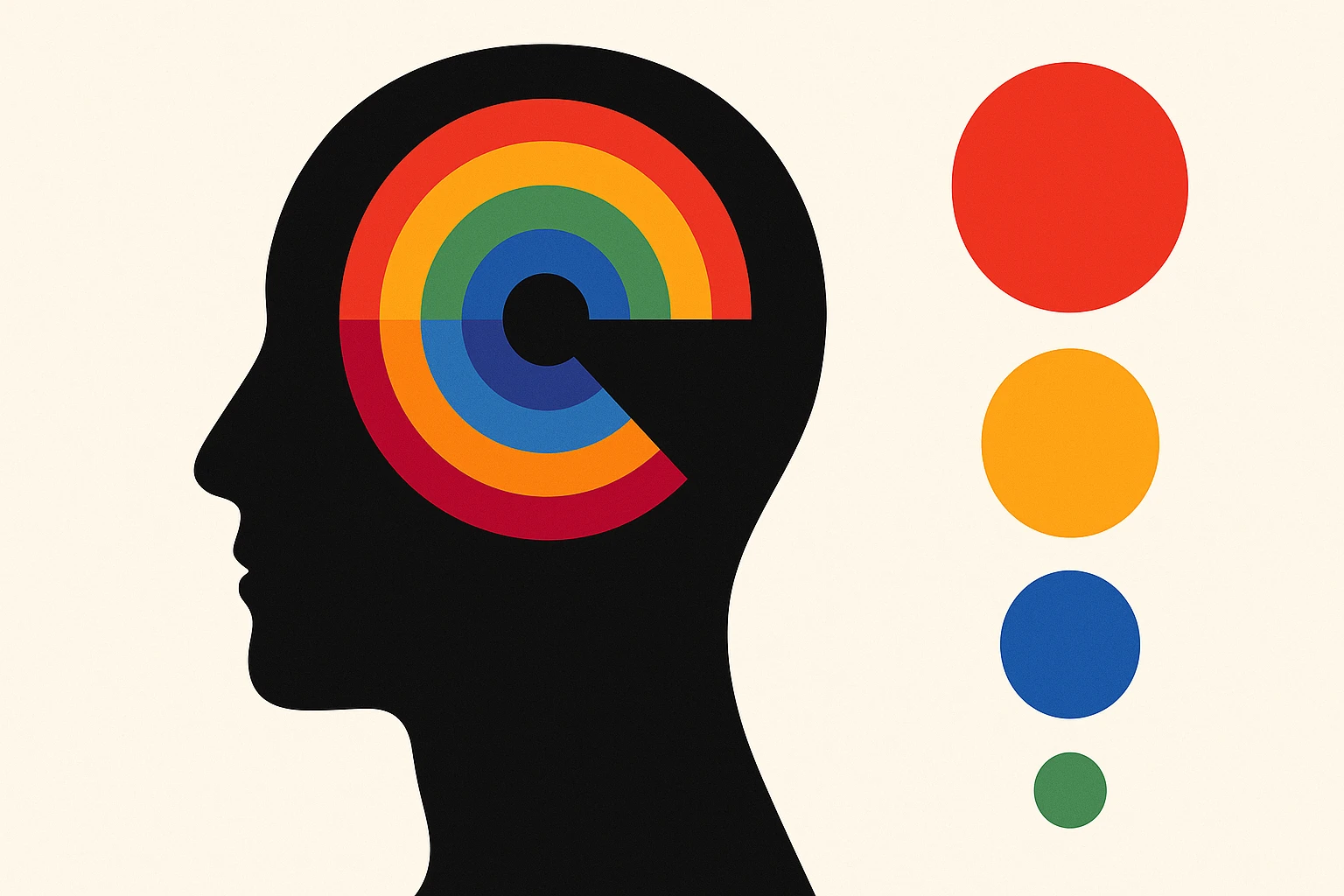
The Psychology of Color: Unpacking the Impact of Hues on Our Perceptions and Behaviors
by ColorSift Editorial Team
Color is not just an aesthetic choice; it profoundly affects emotions, perceptions, and behaviors. Understanding color psychology allows designers to create more impactful visuals that resonate deeply with their target audience. In this post, we’ll explore how different hues influence human psychology, the associations we have with primary colors, and how to apply these insights in your design projects.
Understanding Color Psychology
Let's kick things off with a basic question: what exactly is color psychology? In simple terms, it’s the study of how colors affect our feelings and decisions. This field has roots stretching back to ancient cultures, where colors were used in rituals and symbolism. Fast forward to today, and you'll see color psychology playing a pivotal role in ads, logos, and branding, influencing everything from what product you buy to how a brand makes you feel.
Colors have this uncanny ability to evoke moods and emotions. Think about it: why are fast food logos often red? It's no accident red stimulates appetite and energy. Whether you're designing a website, a product, or a marketing campaign, understanding these color connections can be a real game changer.
The Significance of Primary Colors
Red: The Energy Booster
Red is all about passion and urgency. It’s the color of both love and warning. When you see red, your heart rate might literally increase, making it perfect for calls to action or anything that needs a jolt of energy.
Blue: The Trust Builder
In the world of marketing, blue is cool. It brings feelings of trust and calmness, probably because it’s so prevalent in nature (think sky and sea). That's why so many banks and tech companies use blue.
Yellow: Bright and Cautious
Yellow is happiness in color form. It’s sunny, optimistic, and hard to miss. But too much yellow can be overwhelming; it’s the color of caution signs, after all. Use it sparingly to add a touch of cheer in your designs.
Tertiary Colors and Their Impact
Green: Nature’s Neutral
Green is synonymous with balance and health. It’s the go-to color for anything related to the environment or wellness. Need to convey freshness or ecological consciousness? Green’s your guy.
Purple: Creativity and Luxury
Purple is unique. Historically linked to royalty and spirituality, it’s a favorite for brands that want to convey luxury and creativity. Next time you see a luxury brand, notice if they’ve opted for purple.
Orange: Warmth and Connection
Orange mixes the energy of red with the happiness of yellow. It's warm and inviting, making it excellent for brands focused on friendliness and enthusiasm.
Creating Effective Color Palettes
So how do you whip up a killer color palette? Start by considering the emotions you want to evoke. You’ll want a balance—contrast draws the eye, while harmony soothes it. Successful brands often lean on colors that complement their message.
Consider the branding of big names like Google. Their use of primary colors ensures instant recognition and leaves a positive imprint with their playful, multi-colored logo.
Cultural Implications of Color Perception
Here’s where it gets fun but tricky. Did you know that while white is the color of purity in Western cultures, it’s associated with mourning in parts of Asia? Culture heavily influences color perception, so knowing your audience's background is crucial. Designers need to tread carefully and stay informed about cultural connotations.
Color in Branding and Marketing
Ever noticed how McDonald's uses red and yellow? It's not by chance. These colors stimulate hunger and happiness. Successful brands are those that embody their identity through consistent color use. Maintaining this consistency helps in building brand familiarity and loyalty.
Thinking of adding a splash of color to your marketing campaign? Aim for consistency—use the same hues across your website, products, and promotional materials to maintain your brand's visual identity.
Practical Applications in Design Projects
Using color psychology in design isn’t just about choosing pleasing hues. It affects user experience and behavior too. Colors can guide where eyes go and how users feel. For web and graphic design, consider tools like Adobe Color to construct your palette, ensuring it aligns with the desired psychology.
Remember, color isn’t just a cherry on top; it’s a core ingredient in your design soup. Think about how these vibrant tools can transform not just the mood, but the effectiveness of your designs.
In understanding color psychology, you wield a mighty tool that can influence perception and behavior. As you embark on your next design journey, keep the power of color in mind—it’s not just about aesthetics, it’s about engagement and connection.