Creating a Harmonious Color Palette: The Art of Color Coordination
by ColorSift Editorial Team
In the world of design, color is king. It's what catches the eye, stirs emotions, and communicates messages without a single word. But how do you create a color palette that sings harmoniously rather than shouts discordantly? Let's walk through the art of color coordination, packed with tips and tricks that are ready to apply.
Understanding the Basics of Color Theory
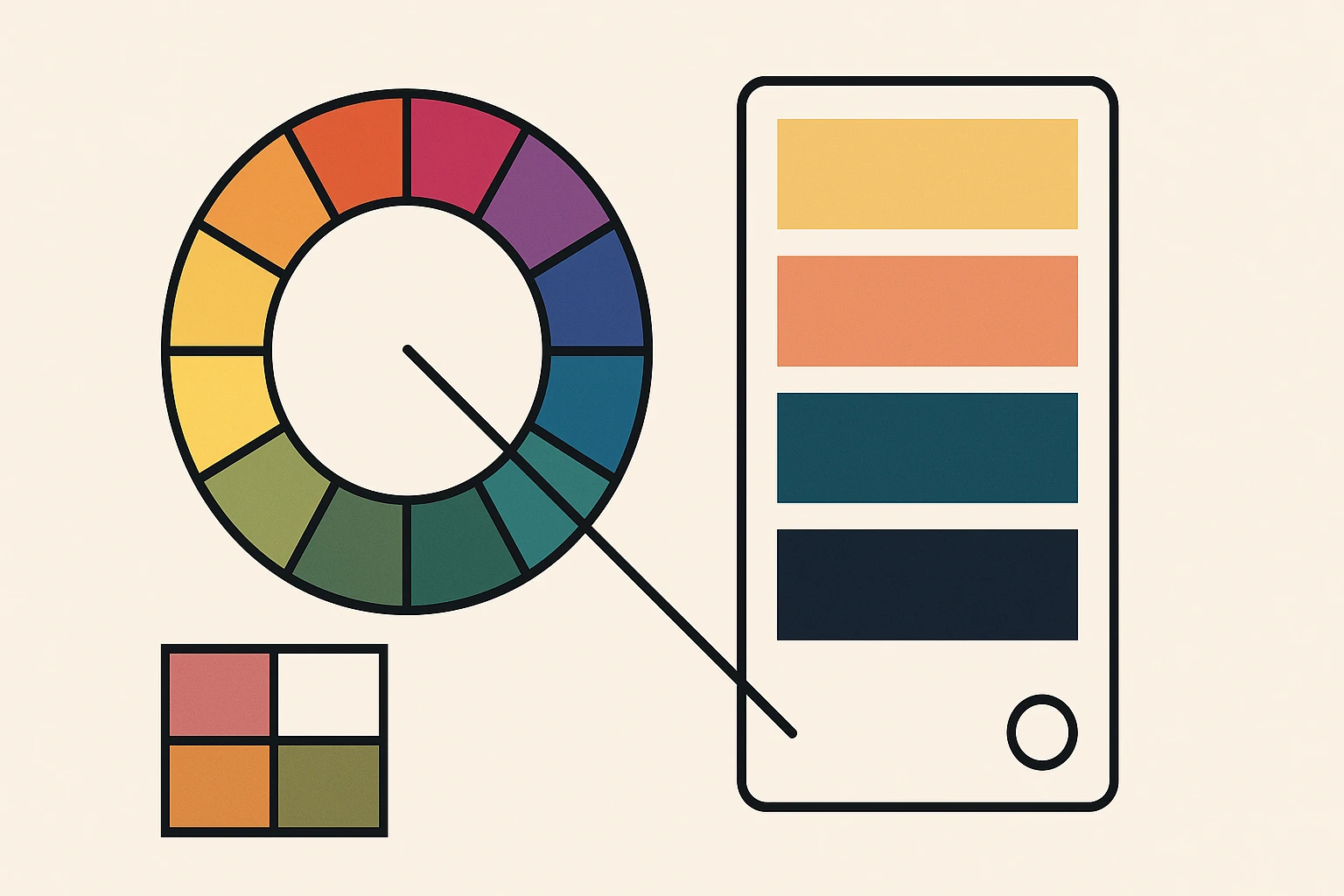
Before diving into color schemes that work, let's first get friendly with the color wheel. The color wheel showcases primary, secondary, and tertiary colors. Primary colors—red, blue, and yellow—are the source of all other shades. Mix these to get secondary colors: green, orange, and purple. Blend a primary with a secondary, and voila! You've got tertiary colors.
Another must-know is the difference between RGB and CMYK color models. RGB is used for digital screens, relying on red, green, and blue light to create all possible hues. Meanwhile, CMYK—cyan, magenta, yellow, and black—comes into play in the printing world. This distinction matters depending on where your design will live.
And then, the classic warm vs. cool colors. Warm colors (think reds and yellows) exude energy, often adding a sense of urgency. Cool colors (like blues and greens) soothe and calm. Consider what mood you're setting.
The Psychology of Color
Colors are powerful. They evoke emotions and drive perceptions. Red screams passion, blue whispers peace. But beware! Colors carry different cultural meanings. In the West, white might signal purity, but in some Eastern contexts, it's often linked to mourning.
Understanding your target audience's psyche can guide color choices. Ask yourself: what feelings do you want to elicit? Who's on the receiving end of your design? Meaningful color choices aren't just about aesthetics; they're strategic.
Creating Harmonious Color Palettes
So, what's a harmonious palette? Simply put, it's a collection of colors that are pleasing together. But don't overcomplicate it!
Monochromatic schemes stick to varying shades of a single color, providing a unified look. Analogous schemes use colors next to each other on the wheel, offering variety without clashing. Complementary schemes, on the other hand, take opposites, creating vibrant and attention-grabbing contrasts. Balance is key; a little trial and error will go far.
Color Matching Techniques
Here's the fun part: playing with tools. Adobe Color and Coolors are fantastic for visualizing and experimenting with palettes. Start with swatches and let your creativity flow.
Try this exercise: take one color that fits your brand and explore variations. Mix in complementary shades. Look at examples of great matches in existing designs—they'll inspire and direct you toward that “aha” moment.
Contrasting Colors for Impact
Contrast isn't just about different colors. It's about creating visual interest and hierarchy. It can highlight parts of your design or guide the viewer's eye to key messages without overwhelming them.
Use contrast wisely. Pair dark with light, or vibrant with muted hues. Show contrast through examples of high-impact designs. When done right, contrasting palettes are not only functional but compelling.
Case Studies: Successful Color Palettes in Various Designs
Want proof of what a killer palette can do? Look at top-notch websites and branding campaigns. Think of Apple’s clean, minimalist scheme or McDonald’s red and yellow inviting appetite.
Study these examples. What lessons do they teach? Balance, theme, consistency. Your colors should tell a story—make yours memorable.
Tools and Resources for Color Coordination
You don't have to go it alone. Whether you're a digital designer or prefer tangible tools, resources abound.
- Books like "Interaction of Color" by Josef Albers provide solid theory.
- Websites like Color Hunt or Color Lovers offer community insights.
- Apps like Canva help visualize ideas swiftly.
Never stop learning. Practice these new skills. Before you know it, you'll be a color maestro, crafting palettes that resonate with style and substance.
Mastering color choices is crucial for creating work that stands out. By learning theory, understanding psychology, and experimenting with contrasts, you'll develop a knack for palettes that are both harmonious and effective. Your designs deserve it. Embrace color, and let your work shine!