Say It With Color: Communicating Brand Values through Color Palettes
by ColorSift Editorial Team
Introduction
In the competitive landscape of branding, the visual identity of your brand is paramount. Color plays a crucial role in this identity, as it evokes emotions and tells a story. This blog post delves into how specific color palettes can effectively communicate a brand’s values and identity. We'll explore color psychology, alignment with brand messaging, and practical steps for designers to create cohesive visual storytelling through color.
Understanding Color Psychology: More Than Just a Rainbow
Have you ever noticed how a color can instantly change your mood? It's not magic—it's science. Different colors invoke different feelings. Red often screams passion and energy, while blue whispers trust and calm. Take Coca-Cola, for example, with its bold red embodying excitement and vigor. Meanwhile, Facebook's blue evokes reliability and connection.
But there's more than meets the eye. Yellow can conjure happiness and warmth, while green often signifies growth and freshness. Brands like McDonald's use yellow to grab attention and ignite appetite, whereas Whole Foods opts for green, aligning with their eco-conscious ethos.
Building Your Brand’s Identity with Color: Making Your Mark
Defining your brand's values is step one. Now, how do you capture those values visually? Think of your brand as a personality. What colors would it wear? Creating a color palette is akin to choosing an outfit that conveys confidence and alignment with your brand's ethos.
You need primary colors for immediate association, like Coca-Cola’s red, and secondary colors to complement and support. Consistency across platforms isn't just nice—it's necessary. Imagine seeing Nike's swoosh in fluorescent pink; it just doesn't fit.
Choosing the Right Color Palette for Your Audience: Who's Watching?
Before making a choice, ask yourself: who is my audience? Cultural and demographic factors shape how colors are perceived. In Western cultures, white often represents purity, whereas in some Eastern cultures, it signifies mourning.
Color tools like Adobe Color or Coolors can help you explore combinations that appeal to your audience's preferences. Getting it right means resonating with your audience on a deeper level.
Showcasing Color Palettes: Examples and Inspiration
Let’s look at some brands that nail their color schemes. Ever noticed how Apple's sleek grayscale palette complements its cutting-edge image? Or how Spotify’s vibrant green suggests freshness and connection? These are not coincidences—they’re strategic choices.
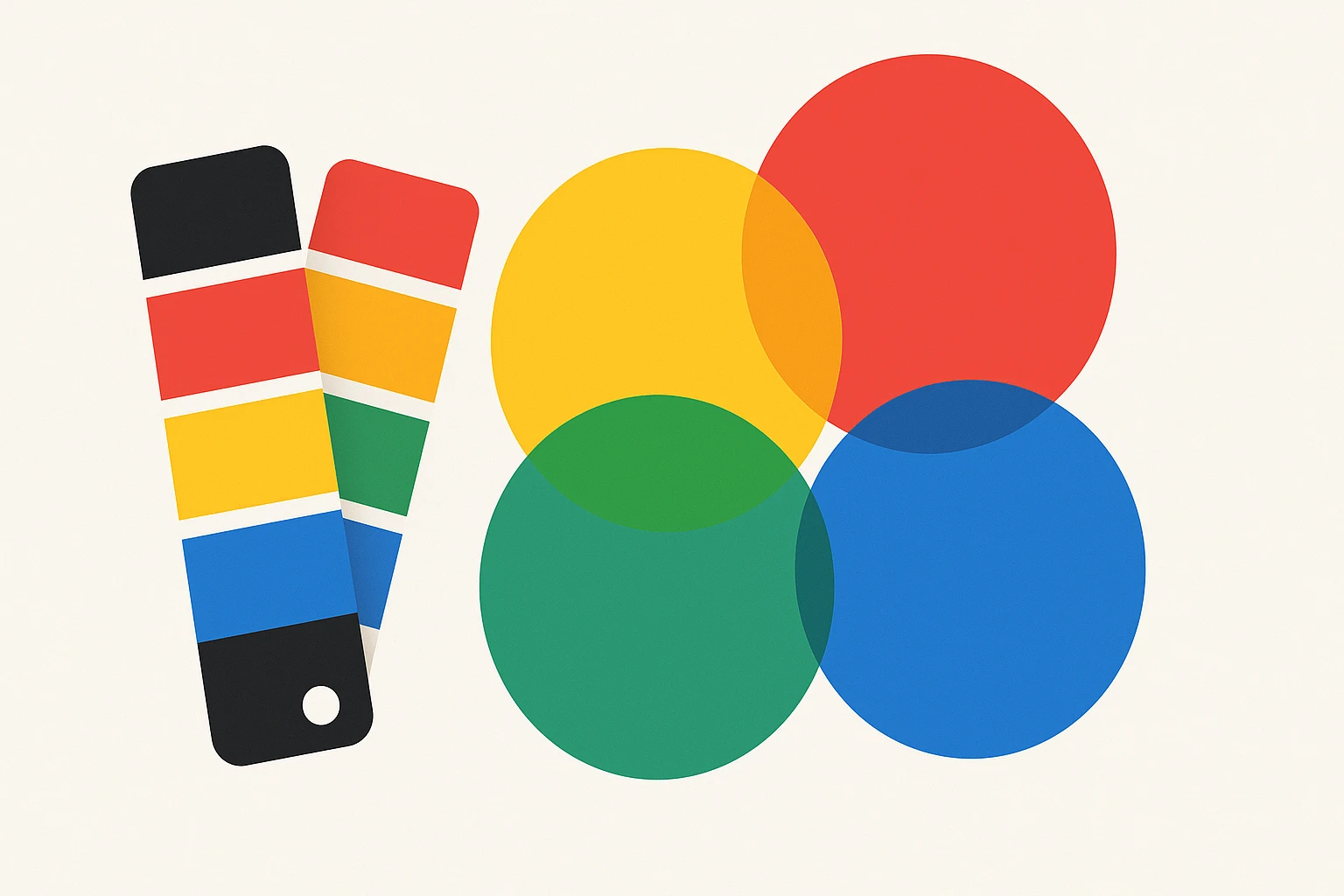
Now, it's your turn to experiment with colors. Dive into this palette we’ve curated:
Explore how these colors can reflect your brand values.
Integrating Color into Your Overall Brand Strategy: Beyond the Logo
Colors should be the norm in every aspect of your brand—from logos and packaging to marketing materials. A style guide becomes a vital tool for maintaining consistency, ensuring that every shade is 'just right.' But don't forget to assess the impact of these choices on brand recognition and loyalty. A study on logo design revealed that colors can boost brand recognition by up to 80%.
Future Trends in Color and Branding: What’s on the Horizon?
Emerging color trends are something to watch. Technology, like AI or AR, is shaping new ways to select and influence colors. On the other side, sustainability in colors is about more than being 'on-trend'; it's about being responsible. Ethical considerations in dye production or digital displays can be a reflection of your brand's consciousness.
Conclusion
The strategic use of color can significantly enhance your brand's identity and values. By understanding color psychology and aligning your palette with your brand messaging, you can create cohesive and impactful visual storytelling. Whether refreshing an existing brand or starting anew, staying ahead of color trends ensures your brand remains relevant and engaging.