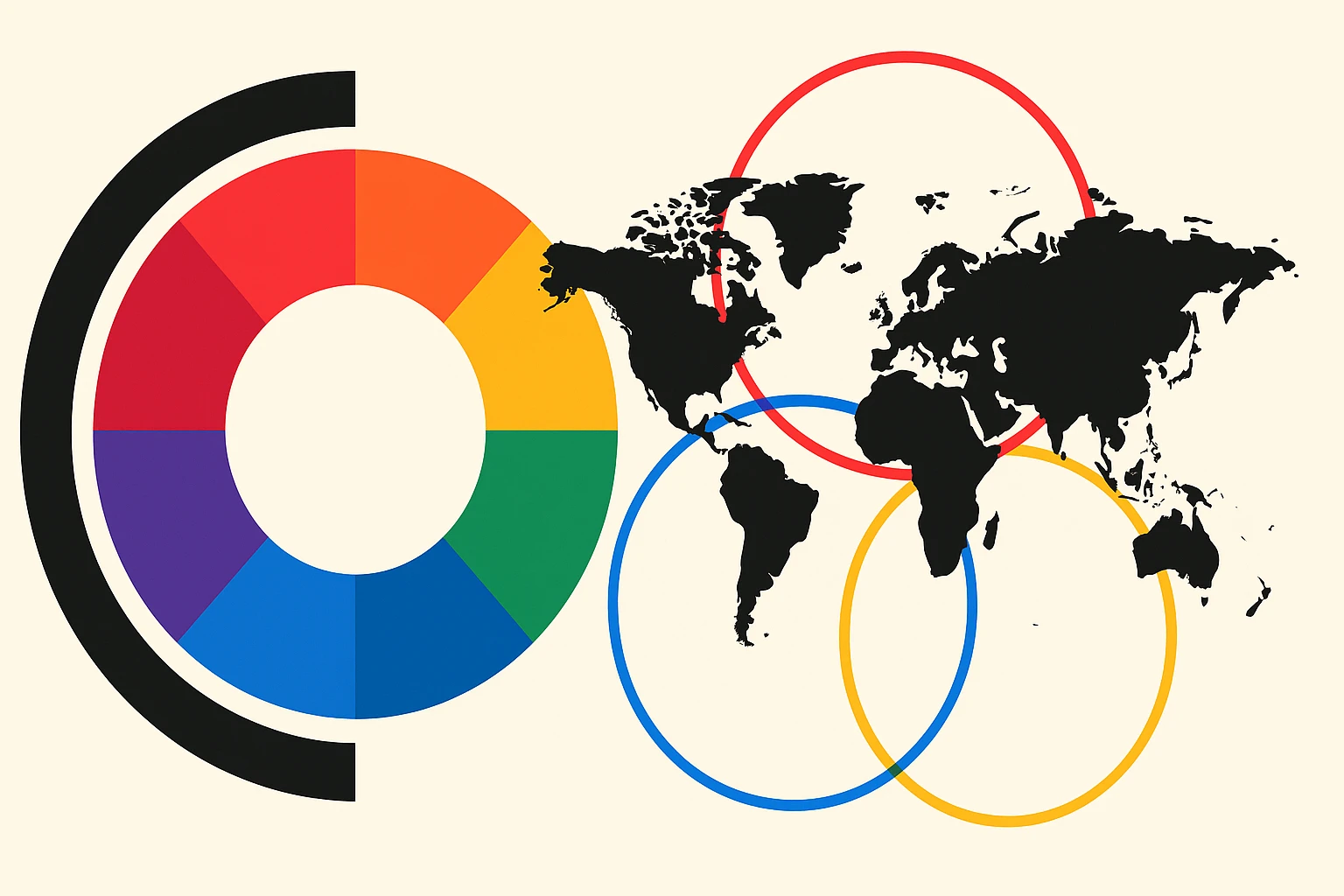
Color Symbolism Across Cultures: Unlocking Global Color Meanings
by ColorSift Editorial Team
Introduction
Every hue tells a story. Understanding these tales from around the world enriches our communication in design. Colors do more than decorate—they speak. Tap into this vibrant language, and you'll unlock design work that resonates across languages and borders. Let’s unpack how cultures see colors and use them to carve meaning.
The Power of Color in Communication
Color’s no slouch when it comes to affecting how we think and feel. From soft blues that calm to fiery reds sparking passion, hues have a knack for shaping emotions. Designers need to think twice about their palette, asking themselves if their choices convey the right emotions.
Remember when Coca-Cola used red to light up their holiday campaigns, creating warmth and cheer? Color craft isn't random; it's strategic. Designers wield color like a painter his brush, crafting specific reactions.
Cultural Color Meanings: A Global Perspective
You know that colors hold different powers elsewhere? In Western cultures, blue sings of tranquility and trust, making it a favorite in corporate design. But wander over to one of Asia’s vibrant street festivals, and red becomes the star—heralding joy and celebration.
In parts of Africa, rich earthy tones connect communities to ancestry and land. Meanwhile, Indigenous peoples might see colors as ties to natural elements—earth, water, sky. And in the Middle East, green embodies growth and paradise, weaving through designs and architecture.
Some cultures have unique takes—like the association of white with mourning in many Eastern societies. It's a reminder that context colors our perceptions.
Case Study: Color in Marketing and Branding
Brands that grasp global color meanings have an edge. By leaning into these traditions, they create visual harmony across markets. Take McDonald's: they gently tweak their color schemes to blend into local palettes, avoiding any cultural faux pas.
This sensitivity shows respect and understanding, affirming what consumers already know in their hearts.
Creating Culturally Sensitive Color Palettes
Designers, when you’re crafting palettes, keep culture at the forefront. Want a shortcut? Follow these tips:
- Research and Respect: A color cherished in one place might jar another.
- Consult Local Experts: They’ll give you the lay of the land—color-wise.
- Tastefully Integrate: Blend universal hues with local favorites.
You have the world at your fingertips with tools like Adobe Color or Coolors, which offer insights into creating harmonious palettes.
The Future of Color in Design: Trends and Predictions
As design grows more inclusive, the trends are shifting. We see a blossoming interest in organic colors—bringing earth into the digital. Technology is narrowing gaps, making global adaptations easier.
But these shifts require constant learning. Stay ahead by tuning into color forecast reports or design conferences. Keeping tabs on emerging palettes keeps your work fresh and relevant.
Conclusion
Grasp that color meanings are a key to effective design. It invites inclusivity, honors history, and fosters connection. As our world comes closer, understanding and applying these colorful insights will help your designs shine in every corner.