Color Fading Techniques: A Comprehensive Guide to Mastering Gradients in Design
by ColorSift Editorial Team
Introduction
Gradients have made a delightful comeback in the design world. Once a nostalgic throwback, these color transitions now lend depth and visual intrigue to contemporary projects. Designers across various platforms—whether web or print—are embracing gradients to enhance their work. But how exactly do you choose the right colors? And what's the best method to apply them? Let's unlock the secrets to brilliant gradient design.
The Essence of Gradients in Design
Why Gradients Matter
In design, gradients bridge the gap between flat and textured, offering a dynamic pop that pulls viewers in. Historically, gradients danced across our screens in the tech-embellished 80s, then took a backseat before re-emerging stronger and more versatile than ever. The digital design realm has rekindled its affection for gradients, utilizing them for everything from backgrounds to button effects. Indeed, today's modern designs often sparkle with these seamless color changes.
Understanding Color Theory for Effective Gradients
Color's Impact on Design
Before you embark on gradient creation, understanding basic color theory is key. We've all heard of primary, secondary, and tertiary colors—but the fun begins when combining them. Consider complementary colors: those directly across from each other on the color wheel create vibrant contrasts. Analogous colors, sitting side by side, provide harmony. Meanwhile, triadic schemes deliver a balanced yet lively result.
Delve into these color strategies, and you'll craft gradients that not only look good but evoke the desired emotional response.
Popular Gradient Techniques and Styles
Say Hi to Linear, Radial, and Beyond
Each gradient technique offers its own flair:
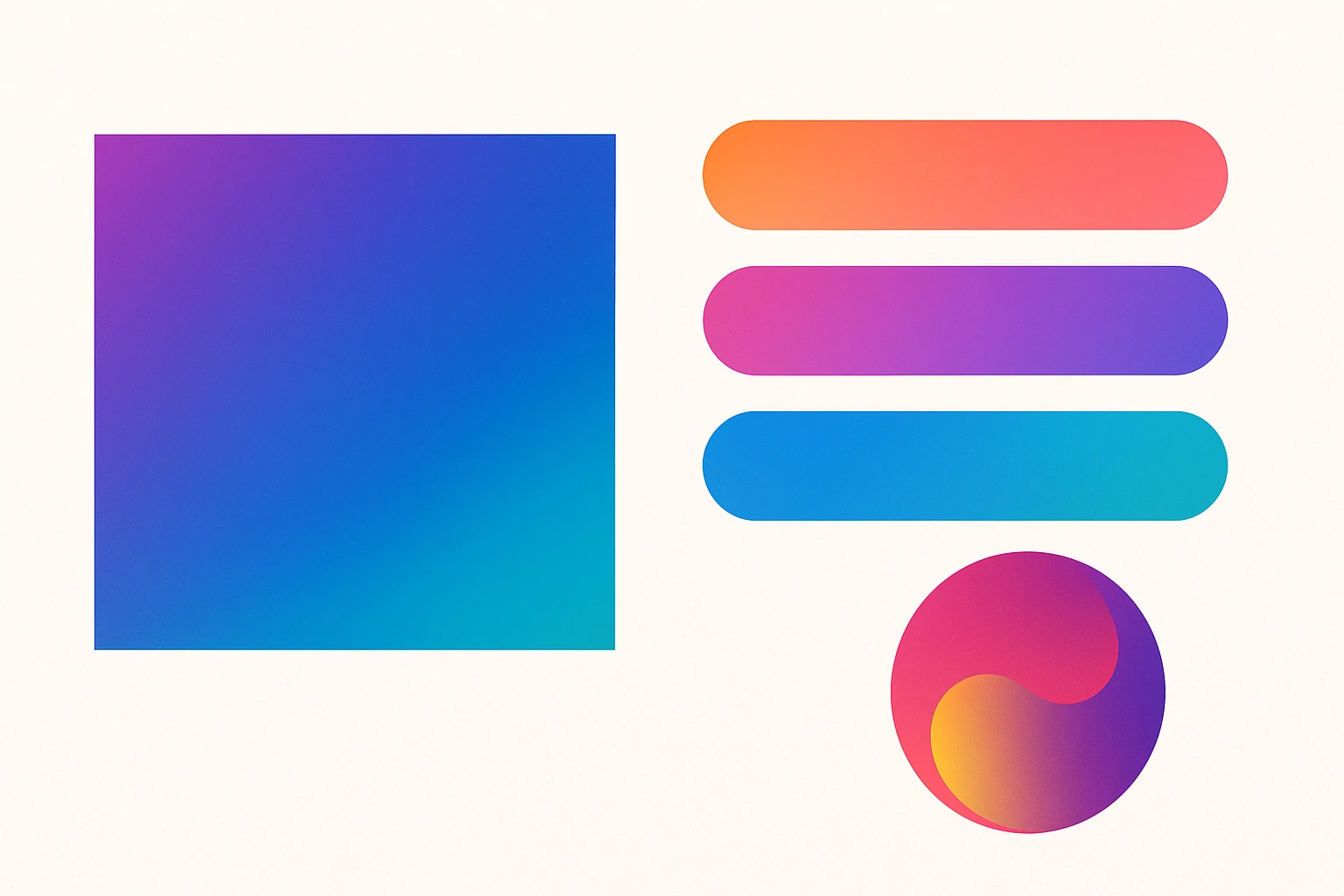
- Linear Gradients: Stretch these horizontally or vertically. They're perfect for smooth transitions across a webpage.
- Radial Gradients: These emanate from a central point, drawing the eye inward.
- Angular Gradients: For those looking to add a bold, dynamic effect. Think of them as circular but with a twist!
- Multi-color Gradients: Layering several hues gives depth.
Whether you want subtlety or drama, these techniques have you covered.
Tools and Software for Creating Gradients
Your Gradient Toolkit
From Adobe Illustrator and Photoshop to Figma, multiple tools empower designers like you to craft stunning gradients. And let's not forget the treasure troves of online gradient generators and pre-set libraries. Each program has its strengths, whether it's the detailed creations possible in Illustrator or the quick ease of a web tool. There's enjoyment to be had as you experiment with these tools—trust your instincts and let your creativity flow.
Real-World Applications of Gradients
Gradients In Action
It's not just theory: gradients make an impact when applied wisely. Consider a sleek website where gradients provide cohesion or a striking business card where they beckon attention. In UI/UX design, gradients can guide users effortlessly, creating an intuitive experience.
Best Practices for Designing with Gradients
Navigating the Gradient Seas
Balance is key. Gradients should complement—never overwhelm—your typography and images. Often designers fall into the trap of using gradients for their own sake. Here’s a tip: ensure text remains readable. And in a world increasingly focused on inclusivity, consider contrast levels for those with visual impairments. Gradients are your toolkit, not your master.
Future Trends in Gradient Design
What's Next for Gradients?
As technology evolves, so does gradient usage. Kid you not, sustainable design is creeping into conversations. Imagine gradients reflecting eco-friendly values. In technology-savvy design circles, gradients are pushing boundaries, becoming focal points themselves. Ready, set, gradient!
Conclusion
Gradients, when wielded adeptly, can transform your designs into captivating artworks. These transitions pull viewers in, engage the senses, and leave lasting impressions. Keeping an eye on the ever-evolving trends ensures your work not only keeps pace—but leads. So go on, let your gradients speak.