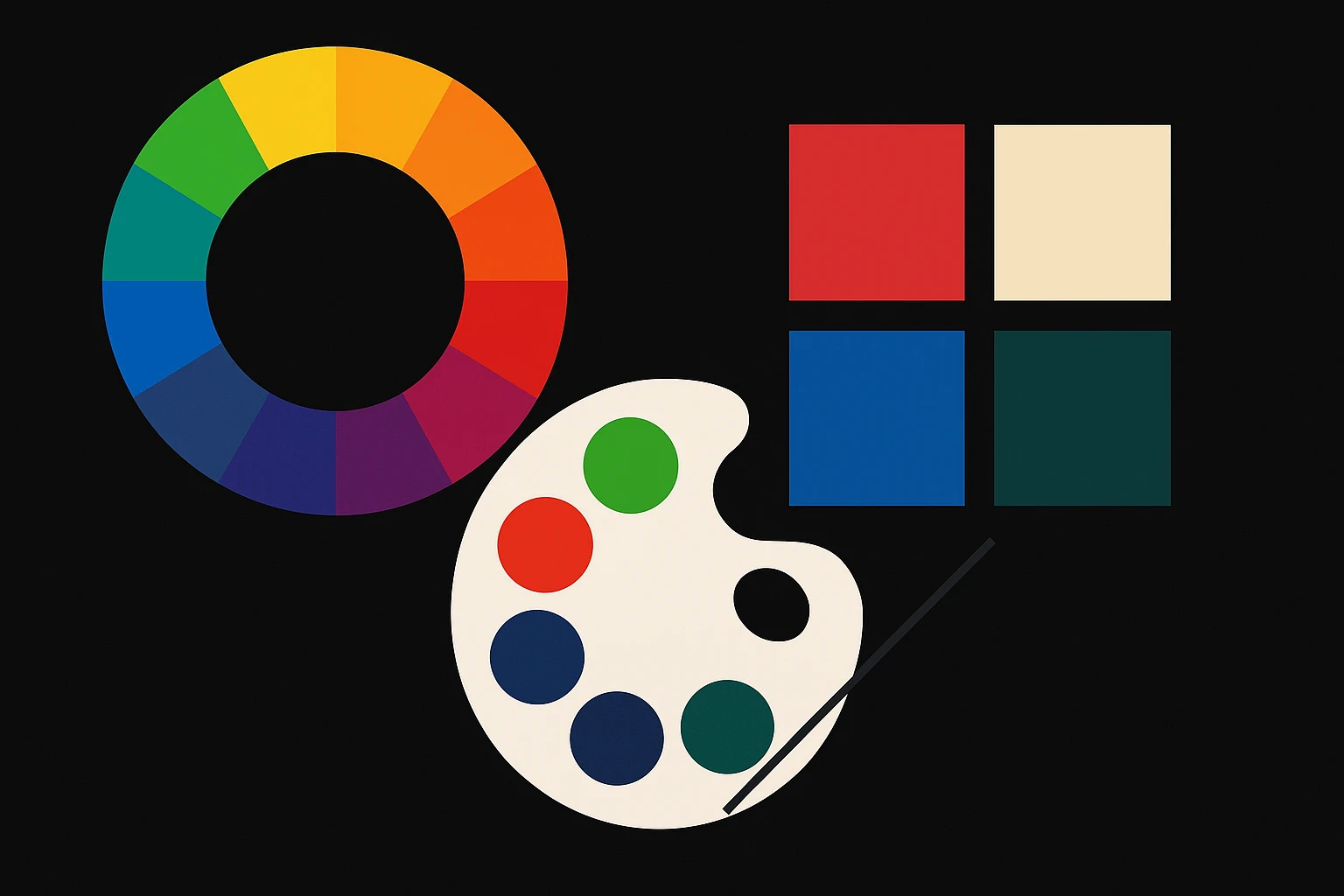
Color Combinations for Branding: Finding Your Perfect Palette
by ColorSift Editorial Team
Branding is more than just a logo; it’s an identity that resonates with your audience. The right color combinations can evoke emotions, create associations, and establish a connection between consumers and your brand. Let's explore how to choose the best color combinations for your brand identity, understanding the emotional impacts of various hues and their effects on consumer perception.
The Psychology of Color in Branding
Color isn't merely a visual experience; it's a psychological one. Colors can stir emotions and elicit particular reactions. Red can ignite excitement or urgency, while blue often conveys trust and calm. These emotional cues guide consumer behavior, so understanding color theory becomes essential.
But what about cultural differences? In some cultures, white signifies purity, while in others, it may represent mourning. So, knowing your audience's cultural context is crucial. Connect with them through the colors that mean the most.
How to Choose the Right Colors for Your Brand
Imagine knowing exactly what your audience feels when they see your brand colors. Start by identifying who you're talking to. A teenage-oriented brand might thrive on vibrant hues, while a corporate entity might lean towards sober, conservative tones.
Align these choices with your brand values. If your brand promises sustainability, green and earthy tones could work wonders. Tools like Adobe Color or Coolors can help visualize these ideas, ensuring your palette speaks volumes before uttering a word.
Popular Color Schemes and Their Applications
Color schemes come in different flavors, so to speak. Let's dig in.
- Monochromatic: Variations of a single color. Simple, yet striking for minimalist designs.
- Complementary: Opposite colors on the color wheel. Great for making something pop.
- Analogous: Neighbors on the wheel. They provide a serene and comfortable design.
- Triadic: Evenly spaced out on the wheel. These create bold and harmonized looks.
Case Studies: Successful Brand Color Combinations
Think about big brands like Coca-Cola or Nike. It's not just red and black—it’s emotion and energy captured. Their colors convey a message that sticks.
These brands prove that color selection affects brand recognition and loyalty. Analyze what colors are out there and why they work. Discover your own formula for success.
Tips for Implementing Your Color Palette
Choosing colors is just the beginning. Test them with your audience. Play around and see how they react.
Develop a color guide. Consistency is the name of the game. Adapt your palette for different mediums—print, digital, and more. This ensures your brand sings the same tune everywhere.
Showcasing Your Color Palette
Incorporate your palette into every aspect of your identity—a logo is only the tip of the iceberg. Color in marketing materials, from business cards to web pages, should speak the same language.
Here are some examples.
Imagine these schemes in action, connecting your message with what you stand for.
Drawing the Curtain
Colors influence perception and recognition in subtle yet impactful ways. By understanding the psychology of colors and implementing combinations thoughtfully, you can enhance your branding efforts. Experiment, refine, and find the fit that resonates with your audience.