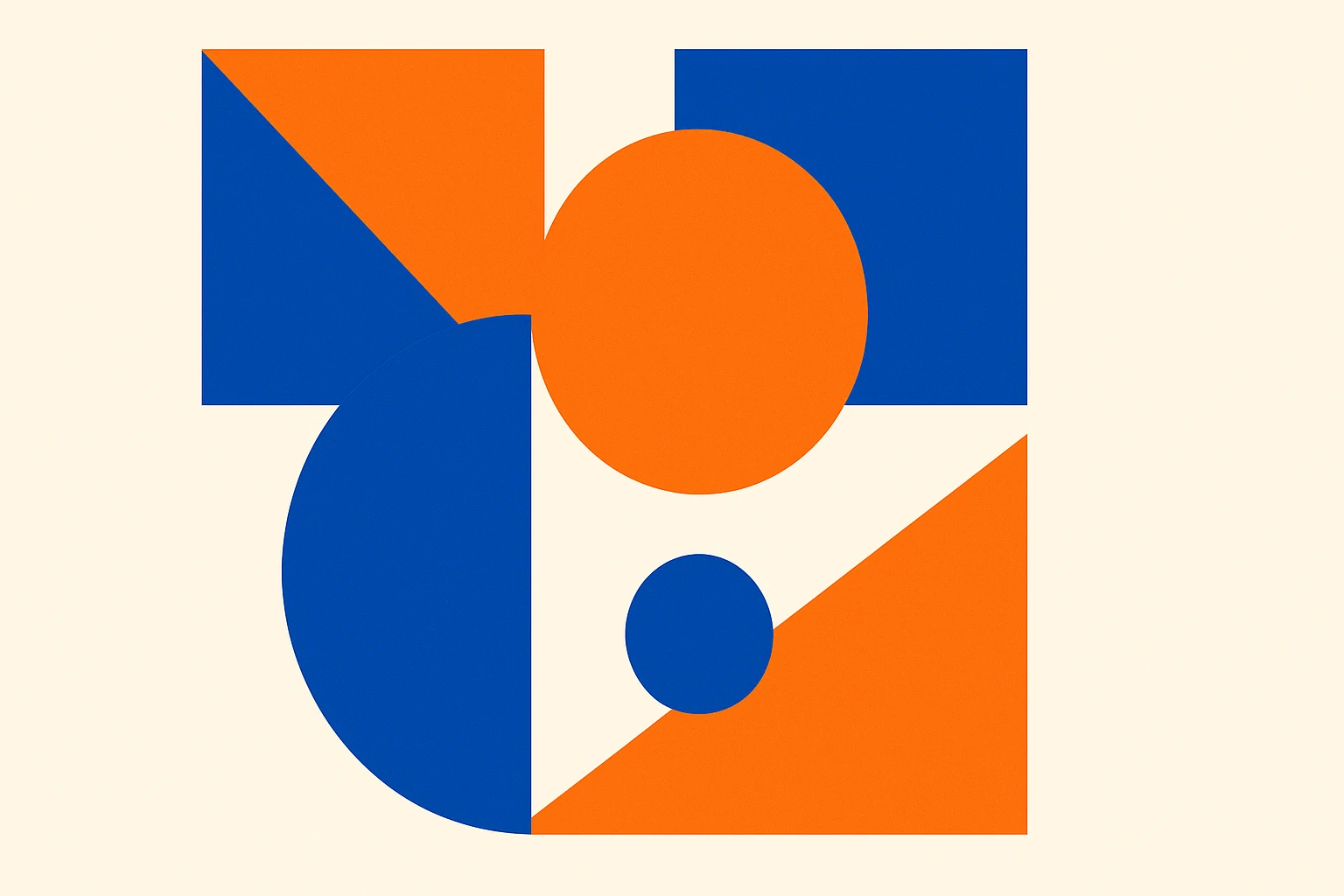
The Art of Complementary Colors: Boosting Your Designs with Contrast
by ColorSift Editorial Team
Introduction
Explore the dynamic world of complementary colors and discover how to enhance your designs with striking contrasts. This guide will provide insights into the color wheel, practical examples, and tips for achieving beautiful balance in your visual projects. Whether you're a seasoned designer or just starting out, mastering complementary colors can elevate your work to new heights.
Understanding Complementary Colors
So, what are complementary colors? Simply put, they are colors that sit opposite each other on the color wheel, such as red and green or blue and orange. This positioning creates the highest possible contrast between the two colors, making them stand out vibrantly when placed together.
The magic happens because of how complementary colors interact. When paired, they can make each other look more intense and vivid. Imagine a sunset where the sky is painted in shades of orange against a deep blue horizon—it captures attention, doesn’t it?
The Psychological Impact of Color Contrast
Color isn't just about aesthetics. It can influence our emotions and perceptions. Think about how a warm yellow paired with a deep purple might make people feel energized or how a corporate brand uses complementary colors to convey professionalism and creativity.
Brands like FedEx and Taco Bell effectively use these color contrasts: FedEx with its purple and orange, and Taco Bell's updated logo featuring pink and yellow. These combinations build a distinctive identity, vital in storytelling through design.
Practical Applications of Complementary Colors in Design
Using complementary colors in different design fields can enhance your projects dramatically. In graphic design, they bring posters and social media visuals to life. Imagine a concert flyer where the main text in a bold cyan is set against a red background—instantly eye-catching.
Interior design also benefits. A neutral living room gains vibrancy with a splash of red cushions against a soft green wall. As for fashion, think about fashionista’s outfits that mix electric blue with tangerine—it's all about making a statement.
Creating Balanced Color Schemes
Achieving the right balance with complementary colors is crucial. Too much contrast can overwhelm viewers. It’s like trying to enjoy fireworks where everything’s exploding at once. Grounding bold colors with neutrals helps maintain harmony.
Take a look at this color scheme:
Notice how subtle neutrals balance bright opposites. This approach promotes the artwork rather than overpowering it.
Tools for Exploring Color Combinations
With the digital age, exploring colors is easier than ever. Online tools like Adobe Color or Coolors help generate complementary color schemes quickly. These tools allow you to adjust and test your colors to see how they work in real-world scenarios.
Creating custom palettes can inspire new design adventures. Don’t shy away from testing your schemes in your current projects. After all, color theory isn’t rigid—it's a playground.
Showcasing Color Palettes
Various complementary palettes provide endless inspiration.
These ready-to-use schemes draw creativity from nature and art, inviting you to interact with and adapt them to your needs.
Common Mistakes and How to Avoid Them
It’s tempting to go all-in with complementary colors, but less is often more. Overusing them can result in chaos, turning beauty into confusion. Instead, consider your design’s context. An advertisement for a zen retreat might not benefit from the high-energy of complementary colors.
Testing colors across different mediums ensures they translate well. A striking digital blue might appear subdued in print without adjustments. Always remember to check all the angles before finalizing your design.
Conclusion
Mastering the art of complementary colors can transform your design projects. By understanding their impact and how to balance them effectively, you can create stunning visual experiences that captivate and engage your audience. Embrace the power of contrast and let your creativity shine!